With insights, analysis and interviews, Life at the Sharp End is a podcast for people who want to create safe, respectful and high-performing workplace cultures.
This kind of culture doesn't happen by accident. It takes leadership and commitment to ensure people can do their best and be themselves – free from the harm caused by workplace incivility, bullying and harassment.
This podcast helps people who want to do their best; people who want to learn from others, and lead by example demonstrating integrity and professionalism. People like you.
Wherever you work, and whatever you do, you’ll have a story to tell about what it’s like to experience Life at the Sharp End.
Subscribe now for access to exclusive content
Sign up to receive access to subscriber-only content with exclusive updates, insights, practical tips and techniques you can apply to your situation.
HR practitioners, Professional Standards Units, complaints teams and workplace investigators are at the front-line of integrity and confidence in workplace misconduct complaint processes.
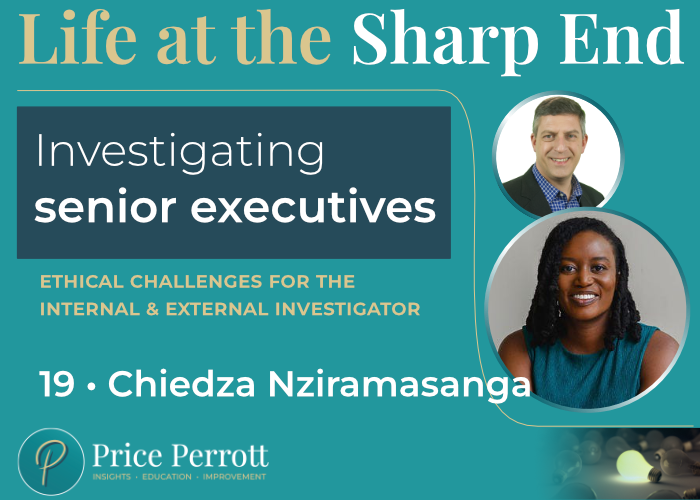
If you’re ever presented with allegations against senior executives — the people in charge who you might ...
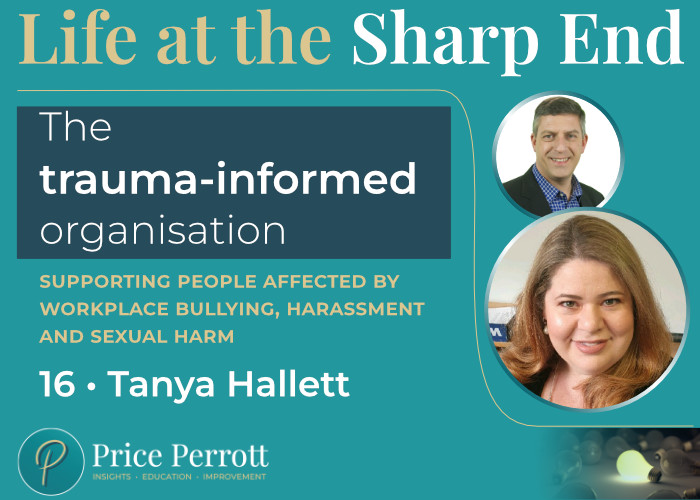
'Trauma-informed' is a phrase that’s increasingly being used, but what does this mean in practical steps that leaders, managers, HR professionals, lawyers and colleagues supporting one another need to take?
Research studies have long established that workplace incivility, bullying and harassment ...
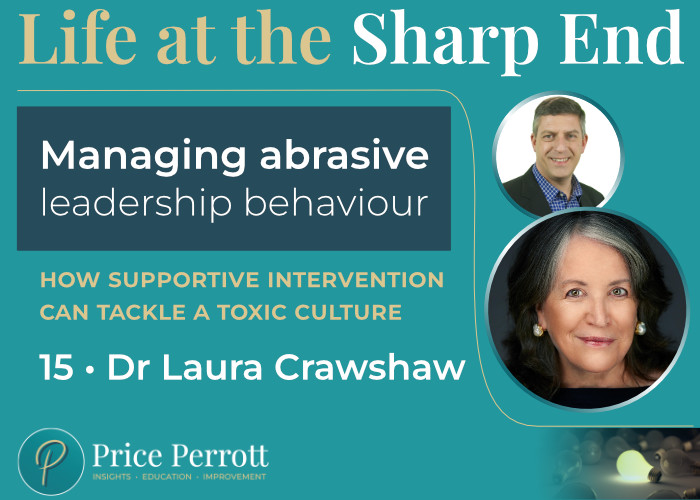
Are abrasive leaders just difficult people who need to be identified and removed from the workplace, or can they be persuaded to change their behaviour?
Do they even understand what their behaviour is like and the harm that this causes to others?
What do you do when you see something that’s just not right happening to someone nearby? Do you stand up and say something, or do you stand back and watch?
The role of bystanders in workplace incivility, bullying and harassment incidents is significant and their behaviour can influence the ...
Charlotte Hails is an ambitious woman in leadership who began her career in policing, rising to become a Detective Chief Inspector leading people in counter-terrorism, safeguarding and public protection.
But Charlotte’s experiences in policing also reflect the darker side of a workplace culture ...
Workplace bullying has been shown to increase the incidents of physical and psychological harm to the health of people targeted by this behaviour.
Physical harm includes an increased risk of serious cardiovascular and cerebrovascular conditions (1), and psychological conditions such as anxiety ...
Protecting the mental health of the people who work in emergency services is a vital safeguard, given the situations they'll encounter during their career.
So why is there still a stigma associated with discussing mental health, and what can people working in this environment do, to better ...
In the emergency services, where people may have to depend on one another for their lives, the professionalism and integrity of people in leadership positions is particularly important.
Yet it seems you don’t have to wait too long at the moment, before another news report emerges somewhere ...
72% of people who said they experienced workplace bullying didn't report it to HR, according to an October 2024 national survey of 1,000 UK workers by law firm Wright Hassall.
You wouldn’t think an apology was a particularly difficult concept, would you? So why then, for many organisations and individuals, does “sorry” seem to be the hardest word?
What is it about making an apology - and getting that apology right - that's not straightforward? How do you make an ...
How does the culture of an emergency services organisation create barriers that prevent those who’ve experienced serious misconduct, from speaking up about their colleagues - a phenomenon described in research as “the blue wall of silence”?
Emergency services are organisations held in high ...
"You can actually change an organisational culture in three months"
Workplace incivility, bullying, and harassment can cause serious harm to people affected - both physical and psychological, while it's happening, in the immediate aftermath, and ...
What happens when an organisation is made aware of workplace bullying?
Do people who have the courage to stand up against workplace bullying find themselves supported or silenced by the very people who are supposed to be there to help?
In this first episode of a two-part series, we look at the experience of a committed HR professional who found themselves on the wrong side of bullying - and became a target themselves.